

Optimizing Intralogistics for Q1 Success
Q1 is the ideal time to:
• Identify bottlenecks that limited peak performance
• Optimize layout, material flow, and labor productivity
• Evaluate automation
Lower volume. Lower risk. Higher return.
A focused post peak assessment now can reduce labor costs, increase throughput, and unlock capacity before the next peak season arrives.
If you’re still running your warehouse the same way you did during holiday rush, you’re leaving performance—and margin—on the table.
Now is the time to reset.
Post-Peak Optimization (The Intralogistics "Refining")
In Q1, you use the "quiet" to dissect the data your systems (WMS/WCS) generated during the rush.
• Debottlenecking: Identify exactly where the flow stalled. Was it at the packing stations? Or was it a slotting issue?
• Inventory Reconciliation: Conduct a deep-dive audit. The "chaos" of Q4 often leads to phantom inventory or misplaced stock; Q1 is the time to reset your accuracy to 99%+.
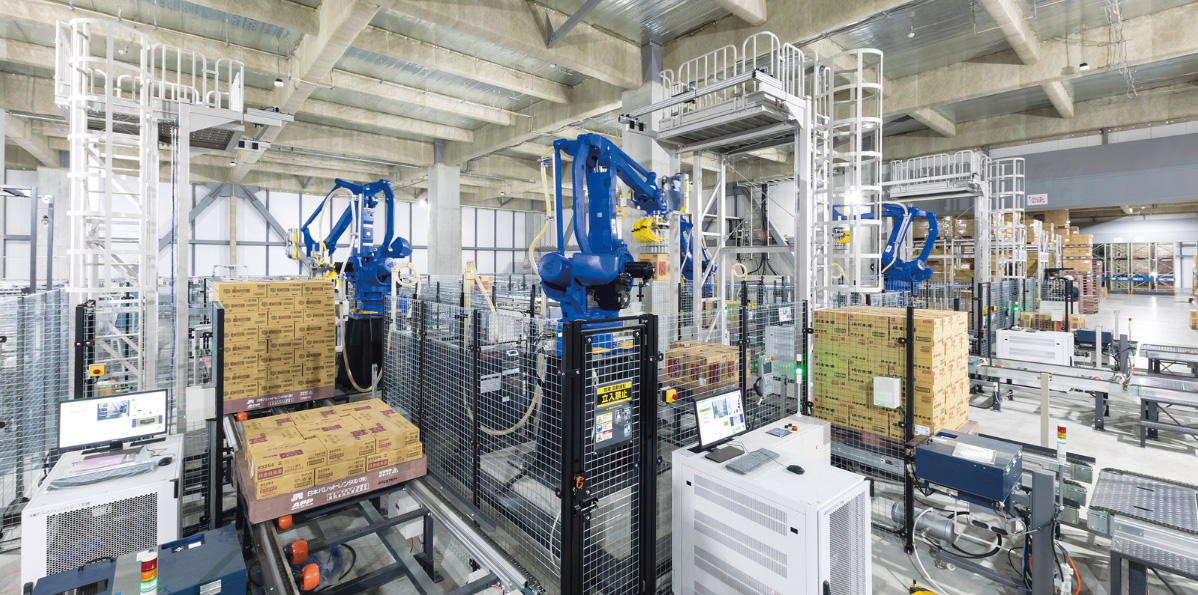
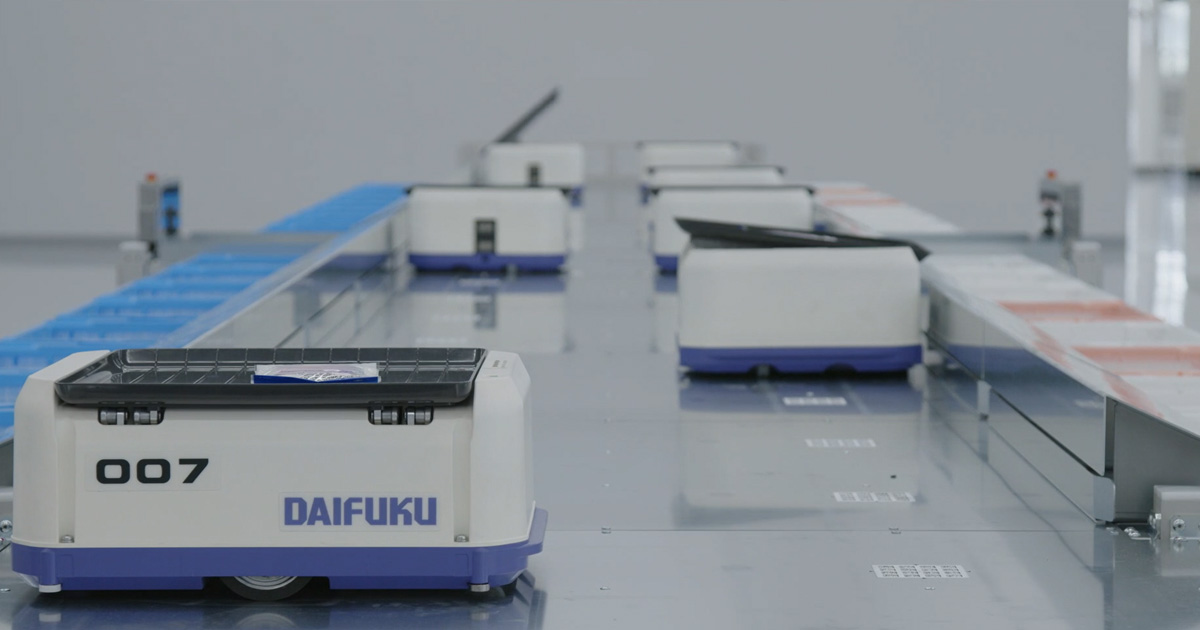
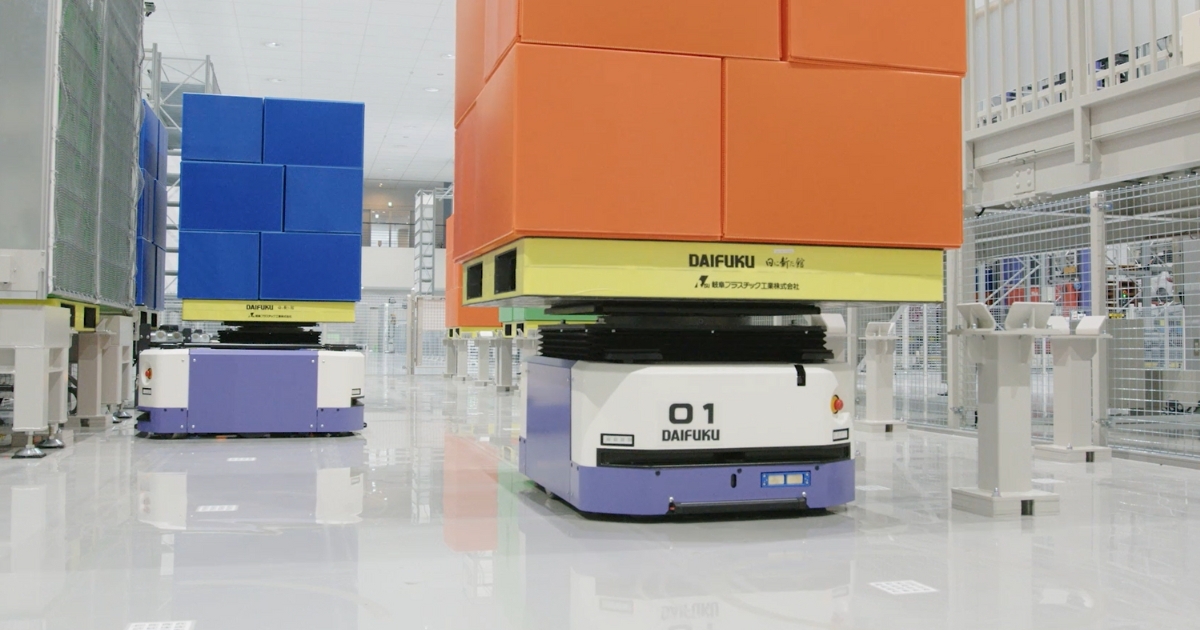
• Technology Integration: If your manual processes struggled to keep up, Q1 is the ideal time to evaluate, implement or upgrade automation (like goods-to-person systems) without disrupting live orders.
Turning Surge Readiness into Post-Peak Optimization
While surge readiness is much about forecasting, building adequate inventory and ensuring you have adequate levels of staffing to handle the uptick in business, post-peak optimization should consist of analysis and refinement. There are also several aspects of your facility that you should assess, such as inventory cleanup, layout adjustments and a thorough data review. Here's a closer look at what to assess in the post-peak period to set yourself up for a successful new year:
In January, the goal shifts from "surviving" to "refining."
• The "Post-Mortem" Audit: Analyze where the bottlenecks occurred. Did the warehouse struggle with picking? Identify exactly where the flow stalled. Was it at the packing stations? Or was it a slotting issue?
• Returns Management: Turn the "return season" into a customer retention opportunity by optimizing the exchange process.
• Process Automation: Use the quieter weeks to evaluate, design, and implement tools that solve the manual headaches discovered during the rush.
Inventory cleanup and optimization:
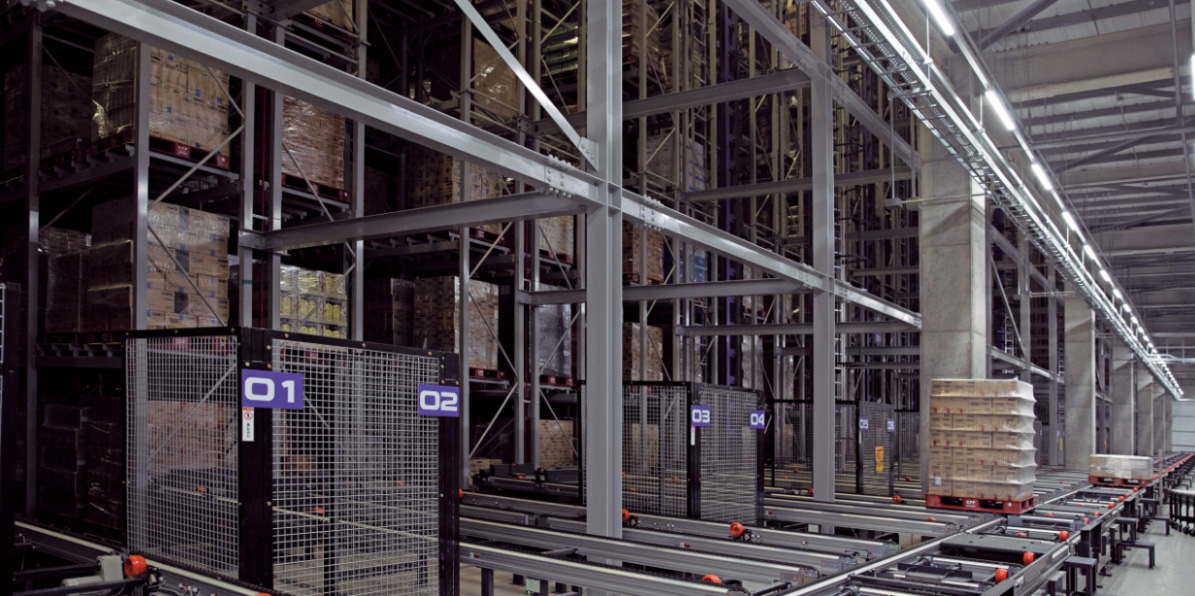
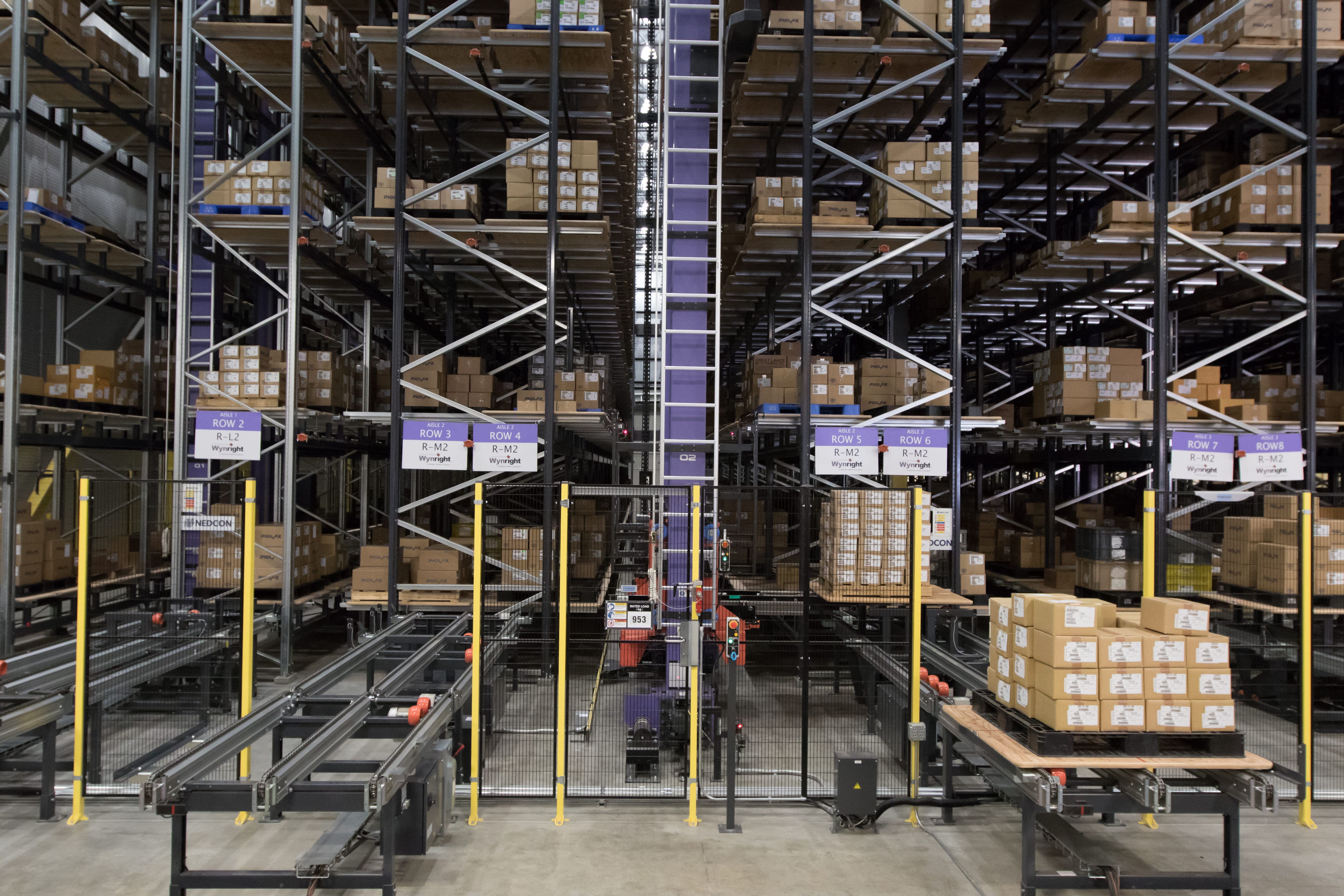
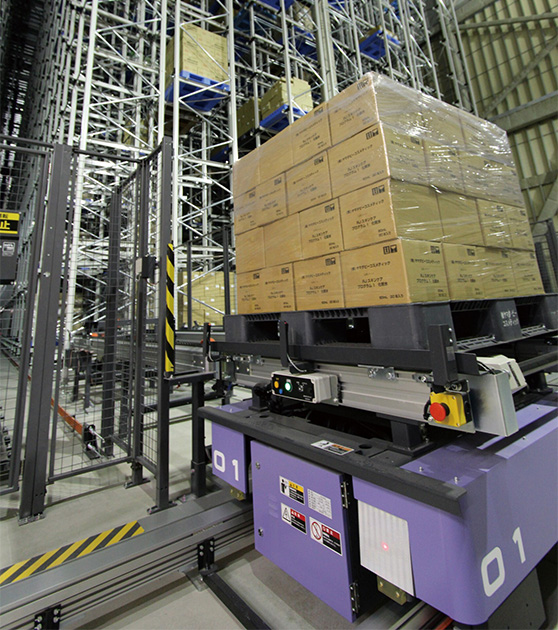
Key benefits of AS/RS include:
• Maximizing space: Narrow aisles and high-density storage can help ensure you're utilizing every square foot of your facility to increase storage capacity. AS/RS is especially helpful for storing inventory vertically.
• Improved efficiency: Automated solutions reduce manual handling, allowing staff to focus on tasks that add more value. AS/RS also works continuously at all hours of the day.
• Improved order accuracy: Automated solutions aren't prone to making the same errors that human workers are. This can ensure greater order accuracy and result in more satisfied customers.
• Safety: Automation minimizes the risk of injury by removing humans from potentially hazardous environments. These systems can lead to safer working environments and reduce physical strain on workers.
Daifuku offers several different versions of the AS/RS: the mini-load, shuttle, unit-load and pallet monorail. Contact us today to learn about what type would best serve your facility.
Facility layout adjustments:
Time is money. The faster you can get products pulled from inventory and out the door, the more business you stand to make and the more money you stand to earn. That said, assess your warehouse and make adjustments as necessary, especially if you're implementing the aforementioned AS/RS, robotics or other automated technology.
Some things you should look for when assessing your facility's layout include:
• Review your facility layout Master Plan
• Look for bottlenecks, inefficiencies and underutilized space.
• Assess traffic flow throughout your facility to identify high-traffic areas or areas of concern.
• Account for seasonal demand, future growth and scalability when reassessing your layout.
• Some of the specific zones you likely want to pay attention to are receiving, picking and the shipping/packing spaces.
As part of your facility layout, consider the proper flow to streamline workflows and implement a warehouse management system (WMS) to provide data that empowers smarter decision-making. Finally, remember to continually monitor performance and make adjustments as needed. Include your employees in the process to gather their thoughts and identify any ideas that could help improve performance.
Review of Key Performance Metrics:
If you're not already regularly reviewing your data and tracking key metrics, now's the time to start. Your data sources represent great potential for your warehouse, and can help inform key business decisions and areas for improvement. Some of the key metrics you'll likely want to track include:
• On-Time Shipments
• Order accuracy rate
• Productivity Metrics
• Inventory turnover
• Space utilization
• Order Cycle time
By monitoring these key metrics, you can identify inefficiencies and address them accordingly. Assessing these metrics can also help you determine if you're making the most of your available space and aligning inventory with customer demand. From here, you can turn data into actionable insight that streamlines improvements to propel your business into the new year and beyond.
Contact Daifuku Today
We hope that you have had a prosperous holiday business season and we also encourage you to take the time now in Q1 to assess your situation and make improvements where possible, so you can continue to grow and evolve. As a world leader in designing and manufacturing automated solutions, Daifuku is here to help. For more information on solutions that can help your business peak during the holidays and reset in the new year, contact us today.